Keep your face on and check-in to the future
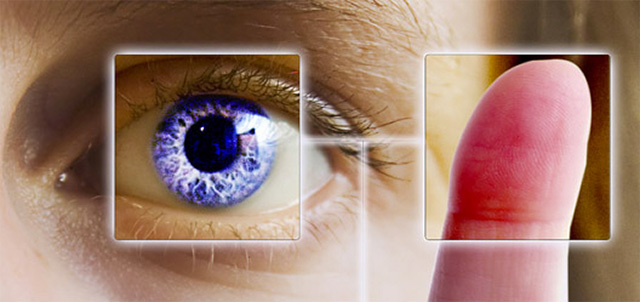
“Biometrics, such as fingerprints, are now commonplace security tools. And facial recognition software is already deployed across the world to match transiting passengers with databases of known individuals. However, in its current use for security, facial recognition technology has no active impact on the traveler experience,” says a UNIGLOBE expert.
“While we all want to be safe while traveling, it would be nice to benefit from surveillance culture in other ways. Introducing it to the traveller experience allows for greater benefit beyond security. Though, just like with biometrics collected at immigration stations, the protection of data continues to be essential,” adds the expert.
Using facial recognition at an airport check-in kiosk can potentially save time that would otherwise be spent entering a record ID or destination information. Facial recognition can also be useful at other points in travel, such as when a passenger is boarding a plane or checking into a hotel.
In order to increase accuracy, other biometric identifiers are in use or under experimentation: for example, a traveler’s fingerprints, voice patterns, iris patterns, gait, and ear shape, among others.
Future authentication systems are likely to analyze multiple biometric factors to help optimize security and convenience for businesses and travelers alike. Every person has a unique set of biometric identifiers which, taken together, are virtually impossible to spoof.
Now, keep your face on and check-in to the future!
by Soumya Prakash on 05/27/2017 in Business